Sights and heritage
Bansko’s house museums: which ones should you visit?
Choose between the Nikola Vaptsarov, Neofit Rilski, Velyanova and Radonova house museums, with practical advice for a rewarding day in Bansko.
Hotel Kralev Dvor ·
Bansko’s museums are small enough to fit into a town break, but different enough that choosing matters. One follows a poet’s life, another an educator’s work; elsewhere the house itself is the main attraction. Rather than planning to see every room in every museum, start with the subject that makes you curious.
Nikola Vaptsarov: a writer and his time
Nikola Vaptsarov House-Museum stands on the square bearing his name. The poet’s childhood home became a museum in 1952. Choose it if literature, biography and twentieth-century history interest you. Read a little about Vaptsarov beforehand or ask for an introduction on arrival: the documents mean more when you know whose life you are following.
For a mixed-language group, ask what interpretation is available. Children may enjoy looking for an object that reveals something about everyday life, rather than being expected to read every panel.
Neofit Rilski: education in a family home
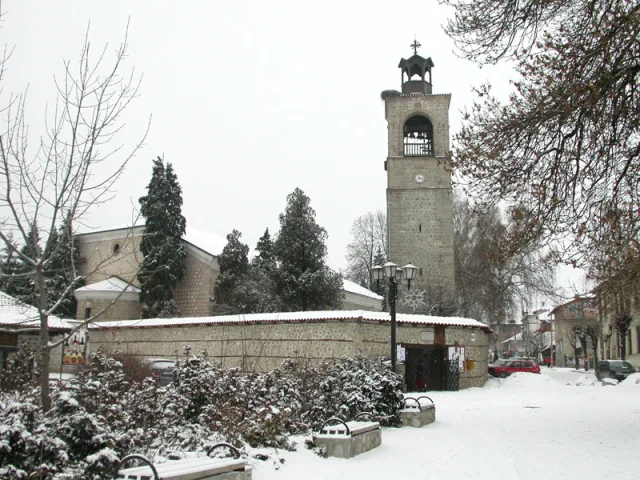
Near Holy Trinity Church, Neofit Rilski House-Museum combines a historic home with an exhibition about the educator and scholar. The museum’s collection includes material connected with his Bulgarian Grammar and other work. It is a good choice for visitors who want to understand the role of education in the Bulgarian National Revival.
Allow time to notice how the house is organised as well as what is displayed. The contrast between domestic rooms and documentary material helps connect a public figure with the place he came from.
Velyanova House: look up as well as around
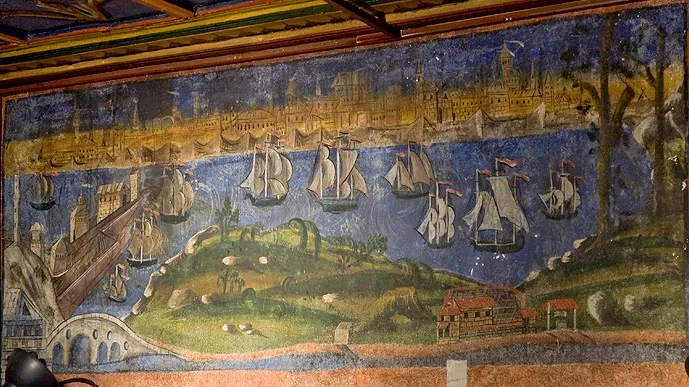
Choose Velyanova House for painted decoration, woodwork and the relationship between architecture and daily life. The museum identifies Velyan Ognev with the house’s murals and carved ceilings. Look carefully at the decorative details before moving to the next room. A short explanation from a guide can be more useful than taking dozens of photographs without context.
Radonova House: the wider local story
The Historical and Ethnographic Complex “Radonova House” brings archaeological material and local everyday culture into the same visit. It offers a broader view than a museum devoted to a single person. Consider it when your group is interested in traditional clothing, household objects and how the region’s past is represented through things rather than biography alone.
How to make a sensible museum day
For a first morning, choose two contrasting museums: for example, a biography-led visit and a house known for its interiors. Leave a break between them. Around 45–60 minutes per museum is a useful planning allowance for a curious visitor, but it is not an official tour length. Guided visits and personal interests can change it substantially.
Check each museum’s opening day, lunch break, ticket arrangements and availability of guided interpretation with Bansko Museums. Do not assume neighbouring buildings keep identical hours. Ask whether any combined ticket suits the places you have chosen, rather than buying it before you know what is included.
Rainy days, children and access
Museums are a useful rainy-day option, but getting between them still means walking on outdoor paving. Historic houses may have stairs, raised thresholds and narrow spaces. If accessibility is important, discuss the specific building beforehand.
For children, two questions can transform a visit: “What would you use this object for?” and “Which room would you choose?” Finish with a short walk around the old town, so the buildings you have seen inside remain part of a living neighbourhood.
More ideas for your stay
Planning your stay
Use our Bansko guide to put together your days in town. For accommodation, contact Hotel Kralev Dvor with your dates and the number of guests.
Reviewed on 13 November 2026. Check opening times, access and services with the relevant operator before travelling.